
Basmati vs Non-Basmati Rice: A Wholesale Buying Guide
The most useful rice inquiry starts with the dish, customer or production process the rice must serve. Here is how to turn that requirement into a specification suppliers can actually compare.
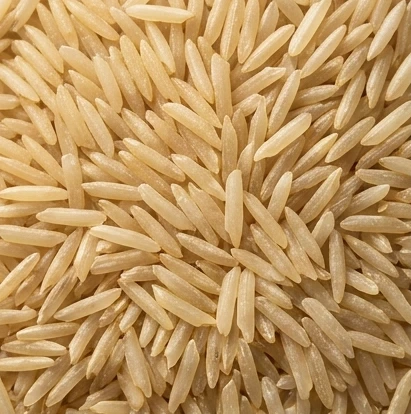
Start with the customer and the cooking result
A restaurant distributor, a retail importer and a food processor may all buy rice in bulk, but they are solving different problems. Before comparing quotations, write down who will use the rice, how it will be prepared and which characteristics matter most to that customer. That makes the product choice more precise than asking only for “good-quality Indian rice”.
APEDA describes basmati as an aromatic, long-grain rice associated with a defined growing region. Non-basmati covers a much wider set of rice choices. Neither name, on its own, specifies everything a wholesale buyer needs to know about a proposed lot.
What to compare before requesting a price
| Decision | Basmati inquiry | Non-basmati inquiry |
|---|---|---|
| Product identity | Name the requested variety and origin requirements. | Name the variety or describe the required application. |
| Preparation | Describe the aroma, grain appearance and cooking result you need. | Describe the texture and cooking result your customer expects. |
| Acceptance | Agree grain length, broken percentage and moisture requirements. | Agree grain length, broken percentage and moisture requirements. |
| Commercial brief | State quantity, pack size and destination. | State quantity, pack size and destination. |
The table is a set of questions, not a promise that every variety or specification is available. Use the supplier’s written response to establish the actual proposed product.
Put the measurable details in writing
“Long grain” and “premium” are difficult to compare across quotations. A written brief should identify the variety, required grain length, acceptable broken-grain percentage and moisture limit. If a processing method matters to your business, identify it explicitly rather than assuming the supplier has interpreted a familiar product name in the same way.
Where a sample is available, agree how it relates to the proposed supply. Use the same preparation method to assess samples and record your observations. A useful sample comparison covers the result your customer needs, alongside the written specification; a photograph alone cannot answer those questions.
Compare packaging and destination on the same basis
Specify both the total quantity and the size of each bag. Include any retail artwork, label language or handling requirements that need discussion. A quotation for one bulk format should not be compared directly with a quotation that includes additional packing work.
For a destination in the Middle East, Africa, Europe or the Americas, name the actual country and delivery location. Regional labels are too broad for a complete commercial quotation. Ask what the quoted price includes and which destination requirements still need to be resolved with your importer or logistics provider.
A rice inquiry checklist you can reuse
- Variety, product format and intended use.
- Grain length, broken percentage and moisture requirements.
- Any sample or reference specification used for acceptance.
- Total quantity, bag size and labelling needs.
- Destination country, delivery location and required timing.
Keep the same brief when you speak to different suppliers. If one offers an alternative, ask them to identify the differences clearly. That is more useful than ranking offers by their headline price alone.
Explore the asliexim wholesale rice range or use our rice inquiry form to discuss your requirements. Variety, availability and commercial terms are confirmed for each request.